From Manual to Automated: The Modernization of the Aluminum Foundry
Wiki Article
Why Light Weight Aluminum Foundry Castings Deliver Outstanding Rust Resistance for Outdoor Products
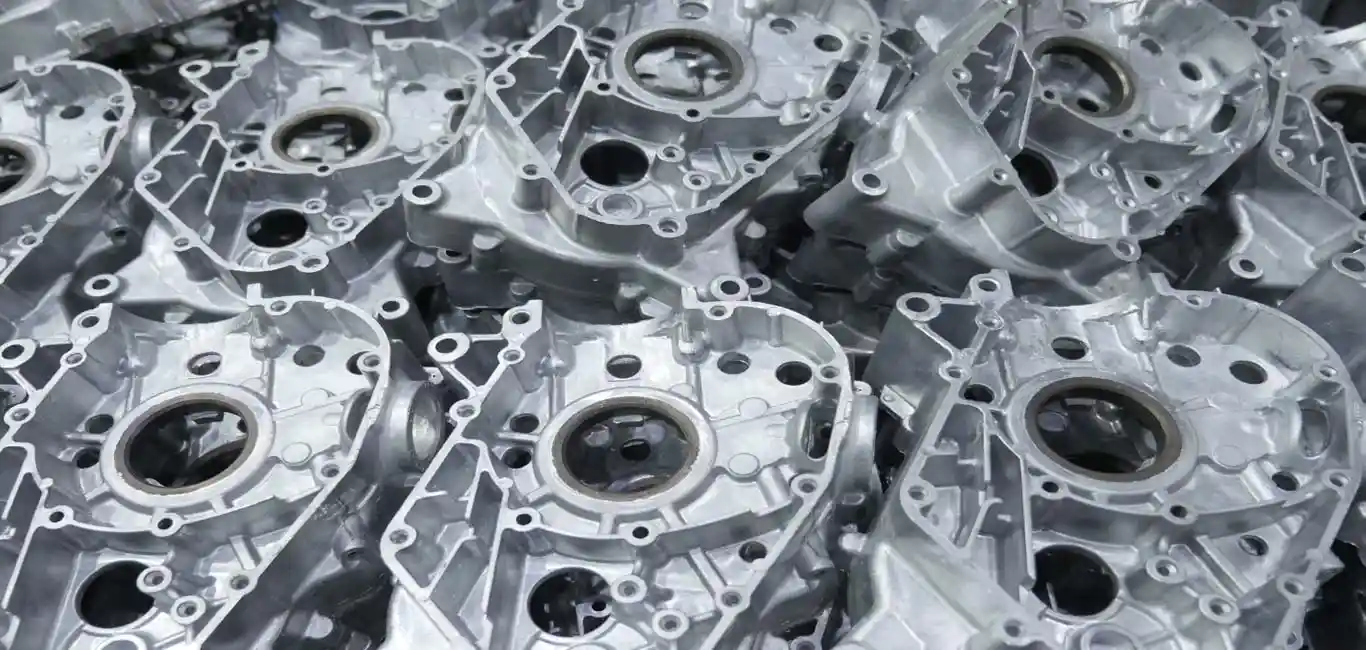
Light weight aluminum shop castings are increasingly preferred for outdoor products because of their remarkable deterioration resistance. When light weight aluminum is subjected to oxygen, this characteristic stems from the formation of a protective oxide layer that develops naturally. This layer not only serves as a barrier against moisture and corrosive representatives but likewise possesses self-healing properties. Understanding the chemistry behind this process reveals why aluminum is a leading selection for outside applications, questioning regarding its performance contrasted to various other products.The Chemistry Behind Light weight aluminum's Rust Resistance
Aluminum's remarkable deterioration resistance is largely credited to its distinct chemical residential properties. As a light-weight metal, light weight aluminum reacts with oxygen to develop a stable layer of light weight aluminum oxide on its surface. This oxide layer acts as an obstacle, protecting against additional oxidation and safeguarding the underlying steel. The extremely reactive nature of light weight aluminum allows it to create solid bonds with other components, resulting in a protective film that hinders the penetration of dampness and destructive agents.In addition, aluminum shows a low thickness and a high strength-to-weight ratio, making it ideal for different applications, specifically in exterior environments. Its resistance to matching, crevice deterioration, and anxiety corrosion splitting further improves its sturdiness. When revealed to environmental aspects, the inherent buildings of aluminum lessen the threat of corrosion, making it an ideal option for outside items. This mix of chemical attributes assures that aluminum maintains its structural honesty even in tough conditions.
The Role of the Protective Oxide Layer
A critical aspect of aluminum's deterioration resistance lies in the protective oxide layer that develops naturally upon exposure to oxygen. Precision Aluminum Casting. This layer, composed mainly of light weight aluminum oxide, acts as an obstacle in between the metal and external environmental factors, substantially reducing the probability of additional rust. The oxide layer is generally just a few nanometers thick, yet it is incredibly efficient in protecting against moisture and corrosive representatives from passing through the underlying light weight aluminumThe formation of this oxide layer occurs swiftly and consistently, contributing to the overall resilience of aluminum factory spreadings. Significantly, the protective layer is self-healing; if harmed, it can promptly change, keeping its safety high qualities. This unique characteristic sets light weight aluminum besides numerous other steels, supplying a significant advantage in outdoor applications where exposure to rough problems is common. Consequently, the oxide layer plays a pivotal duty in improving the longevity and efficiency of light weight aluminum products made use of in outside atmospheres.
Comparison With Various Other Materials
While light weight aluminum uses phenomenal deterioration resistance because of its protective oxide layer, various other materials existing varying levels of toughness and maintenance requirements in outside applications. Steel, for instance, is vulnerable to rusting when subjected to wetness, requiring normal painting and maintenance to stop deterioration. Stainless-steel, while more immune to rust than normal steel, still requires maintenance to maintain its look and integrity.On the other hand, plastics such as PVC and polyethylene are very resistant to rust and do not require painting; nonetheless, they might experience UV destruction over time, causing brittleness and staining. Copper and brass can establish an aging that some locate aesthetically pleasing, yet they are not unsusceptible to deterioration in severe atmospheres. Inevitably, while aluminum sticks out for its mix of lightweight strength and low maintenance, various other products might offer specific functions however usually come with their own restrictions and treatment demands.
Applications of Light Weight Aluminum Castings in Outdoor Products
Countless applications take advantage of aluminum spreadings in outdoor items, showcasing the product's versatility and performance. From garden furnishings and exterior lights components to building components and entertainment tools, light weight aluminum spreadings give toughness and visual charm. Their lightweight nature makes them suitable for portable products, such as outing tables and outside grills, while their resistance to corrosion guarantees longevity in various climate condition. Furthermore, aluminum castings are often used in aquatic applications, including boat fittings and dock parts, where exposure to moisture is constant. The capacity to accomplish complex forms with casting processes allows suppliers to develop distinct designs that enhance capability and style. Furthermore, light weight aluminum's capability to be easily painted or covered includes in its adaptability, permitting outside items to mix flawlessly with different settings. Overall, aluminum spreadings work as a reputable choice for a large range of outside applications, contributing to both longevity and aesthetic allure.Maintenance Tips for Light Weight Aluminum Outdoor Things
Proper maintenance of light weight aluminum outside products is vital to secure their durability and visual appeal. Routine cleansing is essential; a gentle clean with light soap and water will eliminate dust and crud without damaging the surface - Precision Aluminum Casting. For stubborn spots, a soft brush can be used, avoiding harsh abrasives that may scrape the light weight aluminumEvaluating for signs of wear, such as scratches or discoloration, is necessary. If detected, applying a quality aluminum polish can restore the shine and offer a protective layer against the aspects. Furthermore, it is a good idea to keep aluminum products in a sheltered area throughout rough weather to stop unneeded exposure.
Using a layer of wax regularly can enhance corrosion resistance and develop a barrier versus dampness. By following these maintenance ideas, individuals can guarantee that their light weight aluminum outdoor products remain useful and visually appealing for years to come.
Regularly Asked Inquiries
How Is Aluminum Cast Differently From Various Other Metals?
Aluminum casting differs from various other steels mainly due to its reduced melting factor, making it possible for more intricate layouts. Additionally, aluminum's lightweight nature and outstanding fluidness during casting procedures add to its distinct production advantages contrasted to heavier steels.Can Aluminum Corrode in Saltwater Settings?
Aluminum can corrode in saltwater settings, particularly when revealed to electrolytic conditions. Nonetheless, its corrosion resistance can be improved via protective coverings or anodization, making it ideal for various outside applications regardless of potential rust threats.What Are the Recycling Benefits of Aluminum Castings?
Just How Does Temperature level Affect Aluminum's Rust Resistance?
Temperature significantly affects light weight aluminum's corrosion resistance; higher temperatures can accelerate oxide layer breakdown, leading to boosted susceptibility to deterioration. Conversely, lower temperature levels usually boost safety layer stability, enhancing general sturdiness against Precision Aluminum Casting destructive settings.Exist Any Type Of Health And Wellness Dangers Connected With Light Weight Aluminum Outdoors?
Aluminum, when made use of outdoors, normally positions minimal wellness dangers. Extreme direct exposure to aluminum dirt or particles may lead to respiratory system issues in delicate individuals, highlighting the relevance of proper handling and usage in outdoor atmospheres.
Light weight aluminum shop castings are significantly favored for outside items due to their impressive corrosion resistance. As a light-weight steel, aluminum reacts with oxygen to develop a secure layer of aluminum oxide on its surface. When subjected to environmental aspects, the inherent residential or commercial properties of aluminum lessen the danger of deterioration, making it an optimal selection for exterior items. While light weight aluminum offers phenomenal corrosion resistance due to its protective oxide layer, other products existing varying levels of resilience and maintenance requirements in outside applications. Temperature level significantly influences aluminum's corrosion resistance; greater temperatures can increase oxide layer failure, leading to raised susceptibility to corrosion.
Report this wiki page